


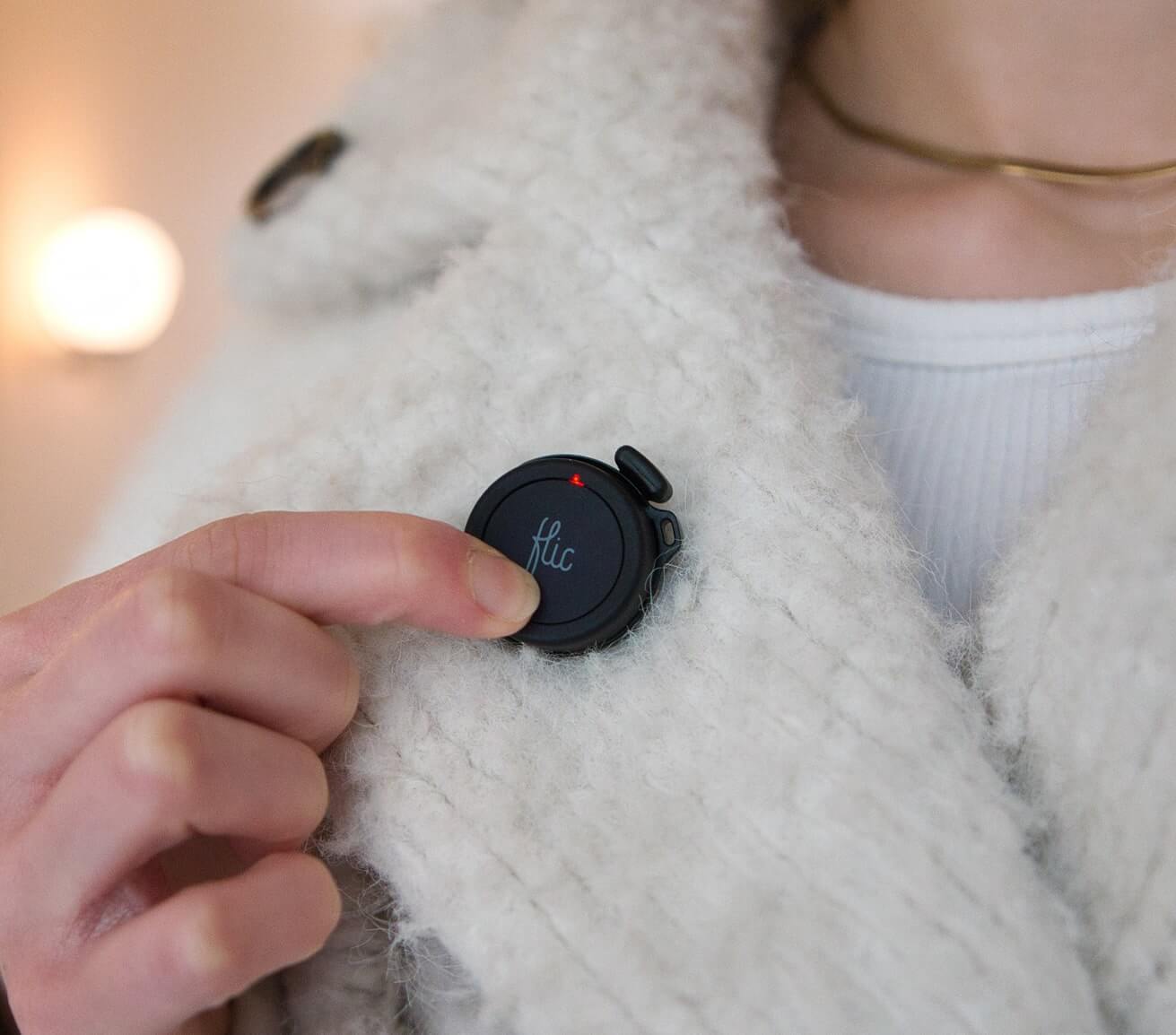



The plastic in your Flic Button may already have had a first life.
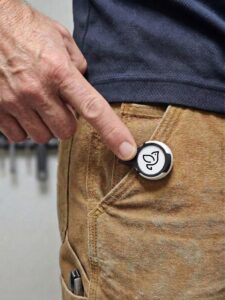
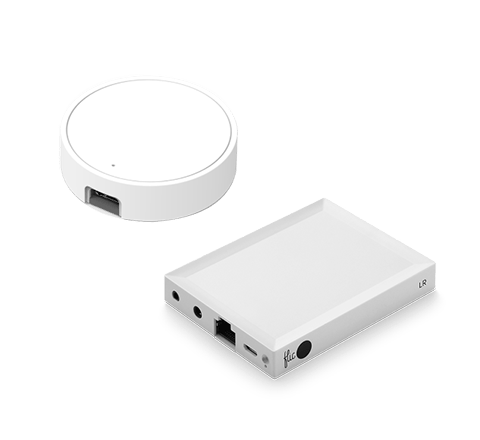
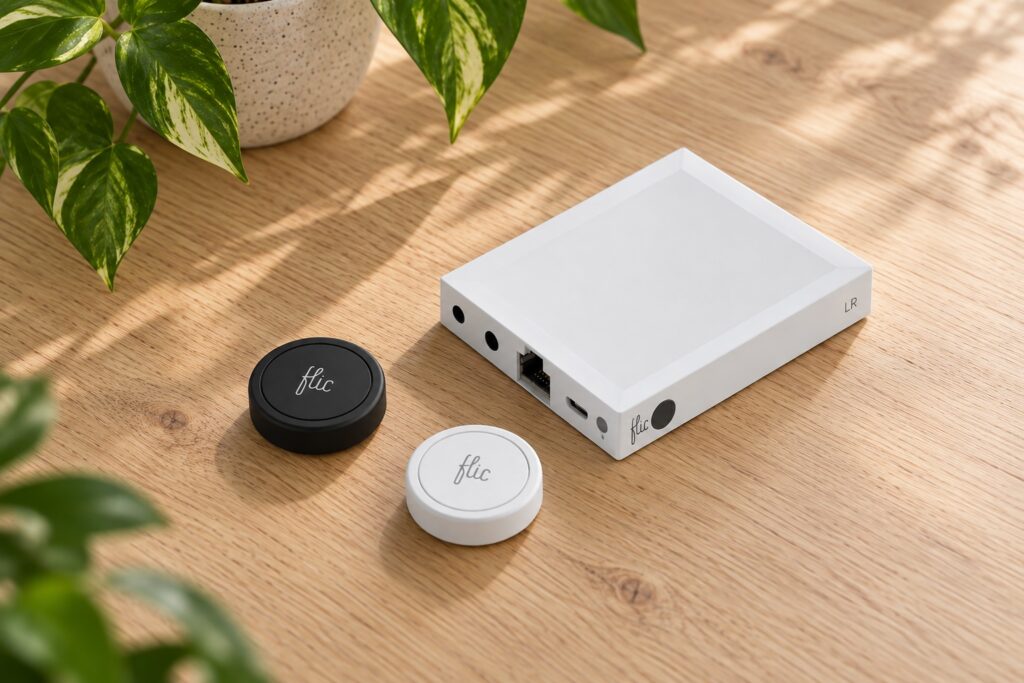
We’ve transitioned our core product lineup, including the Flic Button and Flic Hub LR, from standard virgin plastics to high-grade post-consumer recycled (PCR) plastics. These advanced polymers contain up to 70% recycled content, and if you’ve ordered a white Flic Button in the past couple of months, there’s a good chance you’re already holding one.
It’s the result of our Sustainable Material Innovation in Product Design project, made possible and co-financed by Region Stockholm and the European Union.
Same satisfying click. Same reliability. Significantly less virgin plastic.
What is PCR plastic, and why does it matter?
Post-consumer recycled plastic begins as products people have already used and discarded. Instead of making brand-new plastic from fresh raw materials, it’s collected, reprocessed, and turned into material for new products.
Every gram of PCR in a Flic is a gram of virgin plastic that doesn’t have to be made. For a small button that sticks anywhere in your home, that might sound modest. Multiplied across every button and hub we ship, it adds up.
Three materials, one goal
Each product now has its own PCR grade:
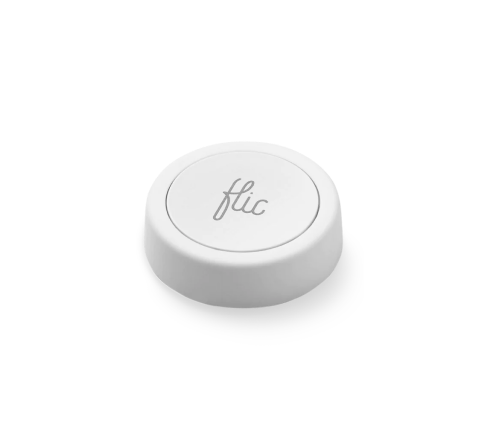
- White Flic Button: PA-757 M70 (70% post-consumer recycled content)
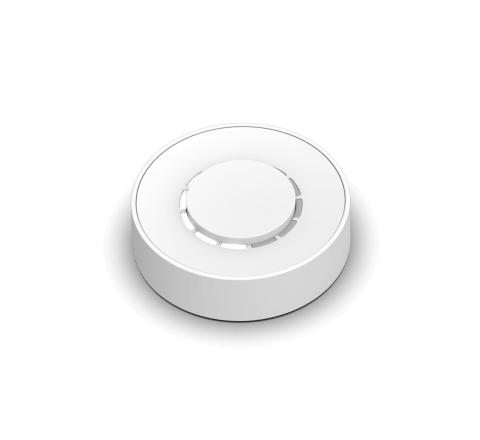
- Flic Hub LR: PC-540 M60 (60% post-consumer recycled content)
- Black Flic Button: PC-115 M50 (50% post-consumer recycled content)
Where things stand today
The white Flic Button is already out in the world. PA-757 M70 has been in mass production for the past couple of months, so if you’ve ordered white Flic Buttons recently, there’s a good chance you already own a product made with 70% post-consumer recycled content.
The Black Flic Button and Flic Hub LR are next. Their materials are finalized and moving into mass production: Black Flic Buttons, and the Hub LR with its next production batch.
What hasn’t changed is everything you rely on. You get the same premium tactile satisfaction, durability, and reliability you expect from Flic, with a meaningfully smaller material footprint.
Every effort counts
We’re not one of the world’s biggest electronics brands, and one material switch won’t solve plastic waste. But every effort counts. If a company of our size can rethink its materials, molding, and tooling, larger companies can too, and at their scale the impact could be far bigger.
To the big names in smart home and consumer electronics: let this inspire you. The challenges are real, and they are solvable.
To everyone else: look for recycled content, and ask brands what their products are made of.
Co-financed by Region Stockholm and the European Union.